 By Gabriel Powell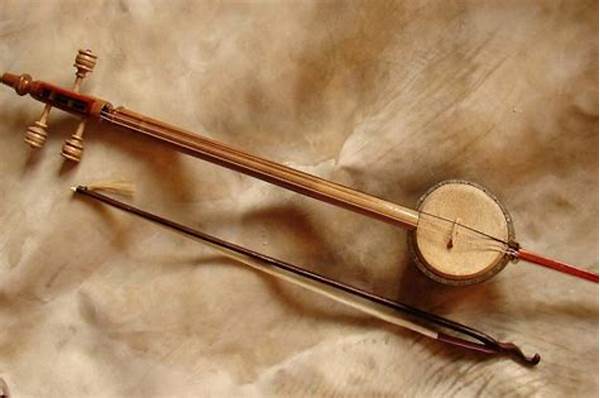
 0
0
 0
0
If you ever find yourself tapping your feet to the rhythm of Gamelan music, you’ve likely been captivated by the intricate, soulful strains of the rebab. This traditional string instrument from Indonesia’s rich musical heritage resonates deeply in the cultural soundscape. Its unique timbre has enchanted audiences for centuries, weaving ancient stories into the fabric of everyday life. The rebab not only preserves historical narratives through its melodies but also bridges cultural gaps, reminding us of the beauty and complexity of the Indonesian archipelago.
Read More : Indonesia Traditional Music Instrument Gong Ageng Booming In Sacred Rituals
The rebab’s sound is like no other—it tells tales from an era gone by yet remains a contemporary staple, carrying the weight of generations. As the world moves swiftly into a digital age, the rebab stands as a testament to the timelessness of tradition and the importance of cultural continuity. Whether you’re a music enthusiast, an inquisitive traveler, or someone who loves a good story, the rebab offers an unparalleled journey through time and sound.
Understanding the Rebab’s Rich History
Steeped in history, the rebab is much more than just an instrument; it is a storyteller. Indonesia traditional music instrument rebab sustaining ancient melodies finds its roots in the courts of kingdoms, echoing through the halls of palaces. The rebab’s construction—typically a slender, bowed string instrument—reflects the artisan’s elaborate craftsmanship and the culture’s sophisticated artistry.
For centuries, the rebab has been used in Gamelan orchestras across Indonesia, playing a pivotal role in both ceremonial music and traditional dance accompaniments. It is believed to have entered Indonesia in the 8th century, possibly influenced by Arab merchants, whose own stringed instruments might have inspired its design. Despite its simplistic appearance, the rebab requires great skill to master, making it a revered instrument among musicians even today.
The Art of Playing the Rebab
Mastering the rebab is indeed an art form. It requires a delicate balance of technique and emotion, where the musician’s role is not just to play notes but to evoke a story. In the tradition of indonesia traditional music instrument rebab sustaining ancient melodies, players employ a bow made of wood and horsehair, producing an ethereal sound that effortlessly blends with other Gamelan instruments like the kendang and the saron. This blend creates a harmonious tapestry that invokes the mystical atmosphere of Indonesian ceremonies and festivities.
Musicians familiar with the rebab know it demands not only musical aptitude but also an understanding of cultural nuances. The way one slides the bow or presses the strings can bring to life the numerous legends, myths, and historical accounts, deeply enchanting the listener.
The Cultural Significance of the Rebab
Preserving Tradition Through Melodies
In today’s fast-paced world, the musical strains of the rebab serve as an anchor to ancient culture. It plays an essential role in ceremonies like weddings, rituals, and traditional performances, where its music is more than entertainment—it’s a way of preserving and passing down stories from one generation to the next. Indonesia traditional music instrument rebab sustaining ancient melodies ensures that these melodies are not lost in time but are instead celebrated and reinvented by new generations.
The Modern-Day Appeal of the Rebab
With an increasing interest in world music, the rebab is witnessing a resurgence. Today’s musicians and composers are rediscovering the rebab, integrating its timeless soundscapes into contemporary music. Innovations in music education and digital platforms have also made learning and appreciating this beautiful instrument more accessible globally. Thus, the rebab continues to evolve, ensuring indonesia traditional music instrument rebab sustaining ancient melodies remains, not just a relic of the past, but a living tradition.
Read More : Indonesia Traditional Music Instrument Angklung Spreading Peace Messages
Exploring the Details of the Rebab
Rebab: Bridging Past and Present
The rebab continues to be celebrated for its ability to connect audiences with Indonesia’s heritage. As it adapts to the times, the rebab’s sound resonates both in traditional walks of life and urban stages, displaying its versatility and timeless appeal.
The Allure of the Rebab’s Ancient Melodies
The rebab’s allure lies in its enchanting capacity to engage listeners emotionally and intellectually. Musicians and audiences alike are drawn to its spell, as it balances on a delicate line between tradition and innovation. Whether in a small village or an international concert hall, the rebab commands attention through its authentic storytelling.
Celebrating the Rebab Today
Efforts to celebrate and preserve the rebab are gaining momentum. With festivals showcasing the rebab and workshops dedicated to teaching new players, there is a resurgence of interest in this remarkable instrument. This ensures that the indonesia traditional music instrument rebab sustaining ancient melodies will continue to inspire future generations.
Conclusion: Embracing the Legacy
In summary, the rebab is not just an instrument; it’s a vessel carrying the legacy of Indonesian culture. It reminds us of the importance of cultural preservation while simultaneously offering a rich experience of history through music. The rebab beckons us to listen, to learn, and to cherish the stories embedded within its ancient melodies—ensuring that these tales are not just heard, but truly felt by all who embrace its timeless call.


