 By Gabriel Powell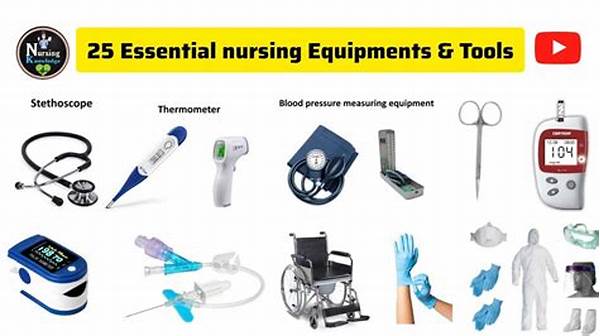
 0
0
 0
0
- Understanding the Essentials: The Role of Medical Instruments
- The Importance of Early Familiarization
- Building Competence Through Practical Learning
- Unleashing the Potential of Basic Instruments
- The Future of Medical Instruments in Nursing
- Basic Instruments: A Lifetime of Learning
- Skills and Competence: A Critical Aspect of Nursing
- Tips for Mastering Basic Medical Instruments for Nursing Students
- Understanding the Foundations of Medical Practice
- Integrating Skills into Real-world Scenarios
- A Call to Action in Nursing Education
As nursing students embark on their educational journey, they are introduced to a world filled with opportunities to make a difference in people’s lives. However, before they can leap into the real world of healthcare, they need to master the basic medical instruments that will become their daily companions. Picture this: a toolbelt equipped with the essentials to measure, diagnose, and treat—these instruments are not just metal and plastic; they’re your best allies in the field.
Read More : Monitoring Instruments For Live Sound Engineers
Understanding how to use these instruments isn’t just a learning necessity; it’s an opportunity to immerse yourself in the reality of healthcare practice. Take the stethoscope, for example. It’s not merely a tool for listening to heartlungs sounds; it’s a gateway to understanding the very rhythm of life. Every tool, from the simple thermometer to the sophisticated sphygmomanometer, plays a crucial role in patient assessment and monitoring. This collection of tools represents a merger of science and skill, tangible pieces of the diverse medical knowledge nursing students are eager to master.
Yet, it doesn’t stop there. Imagine the learning journey as a story—your story—as you progress from a learner to a practitioner. Your interaction with these basic medical instruments for nursing students paves the way for a profound understanding of health and wellness. Aspiring to bring about change? Each tool is a stepping stone towards becoming a competent nurse with the power to impact patient lives daily.
But how do you carry these tools effectively in your early career? Understanding which instruments are essential and why they matter can significantly influence the quality of care you provide. Nursing students, armed with knowledge about their basic medical instruments, find themselves not only completing their tasks efficiently but also inspiring trust in their patients, thereby cultivating a strong, caring relationship.
Understanding the Essentials: The Role of Medical Instruments
Every budding nurse will inevitably face the moment when theory meets practice, and there’s nothing more thrilling yet challenging than mastering the use of basic medical instruments. Essential tools such as thermometers, blood pressure cuffs, and pulse oximeters become integral to daily routines. Recognizing their importance early on allows nursing students to familiarize themselves better, gaining confidence and precision in their practice.
—
The Importance of Early Familiarization
Being thrust into the clinical environment can be daunting, making it imperative for nursing students to familiarize themselves with basic medical instruments as early as possible. Early exposure not only builds confidence but also sharpens their clinical acumen. Nurses often recount their early days with anecdotes describing initial struggles and eventual triumphs over mastering these instruments. These stories underscore how vital it is for students to get hands-on experience to ease into their roles.
Nurses from different backgrounds often share a common experience: the sensation of holding a stethoscope for the first time, awkwardly palming it and trying to make sense of what they hear. Yet, with practice and mentorship, this initial awkwardness gives way to a seamless extension of their caregiving resources. In those initial stages, instructors play a crucial role, guiding students in the proper use of instruments and ensuring they understand the relevance behind each tool.
Furthermore, research points to an interesting observation: nursing students who regularly engage with their instruments tend to perform better in clinical environments. It’s akin to a musician familiarizing themselves with notes and rhythms—consistent practice leads to mastery.
Building Competence Through Practical Learning
Understanding the theoretical aspects of medical instruments is vital, but nothing beats hands-on experience. Educators often stress that practical application cements theoretical concepts. Nursing labs equipped with basic medical instruments provide students with a safe space to hone their skills, allowing for repeated practice in a risk-free environment. This leads to increased accuracy and precision in real-world scenarios.
Unleashing the Potential of Basic Instruments
Nursing students learning about their basic medical equipment are like artists learning to wield their brushes. These instruments hold the potential to change lives, from diagnosing illnesses early to monitoring vital signs and providing crucial intervention in emergencies.
The Future of Medical Instruments in Nursing
Technological advancements introduce new dimensions to traditional instruments. The future beckons a world where digital and smarter basic medical instruments for nursing students will redefine how care is given, providing both challenges and opportunities for new learners. Nursing students must remain adaptable and eager to learn, keeping abreast of these innovations.
Basic Instruments: A Lifetime of Learning
While nursing school is just the beginning, the real learning continues throughout a nursing career. Even experienced nurses continuously learn to interpret new data and adapt to updated versions of their trusted tools. The beauty of nursing lies in its dynamic nature, merging new and old, trial and triumph, through the effective use of basic medical instruments.
—
Read More : How To Buy A Second-hand Saxophone Without Being Fooled By The Price
—
Skills and Competence: A Critical Aspect of Nursing
In the ever-changing arena of healthcare, developing skills and competence in using basic medical instruments for nursing students is paramount. Nurses must juggle various responsibilities, and mastering these instruments forms the backbone of efficient, compassionate clinical practice. Tagging along their tool belts, nurses navigate wards with precision and empathy, lacing technical skills with a human touch.
However, skills are not acquired in isolation. Learning environments that encourage interaction, questioning, and practice promote deeper comprehension. It is within this ecosystem that nursing students thrive, building a strong foundation for future clinical endeavors. Through supportive networks, mentors, and peers, students can share tips, discuss challenges, and celebrate learning milestones.
In conclusion, the significance of mastering basic medical instruments cannot be overstated. These instruments serve as the foundation upon which nursing excellence is built. Students pursuing nursing must embrace the opportunity to acquaint themselves intimately with their tools, recognizing the power these tools hold in shaping their future roles as healthcare providers.
—
Tips for Mastering Basic Medical Instruments for Nursing Students
—
Understanding the Foundations of Medical Practice
Mastering basic medical instruments is one of the first steps nursing students must take in their journey. These tools, from thermometers to sphygmomanometers, build a foundational understanding vital for student success in clinical settings. As these instruments become an extension of their practice, students gain the insights necessary to evaluate patient health accurately.
Integrating Skills into Real-world Scenarios
Integrating learned skills into real-world practice determines the level of competence a nursing student achieves. Mock scenarios, simulations, and clinical rotations provide avenues to apply theoretical knowledge, ensuring efficiency when students transition into professional roles. Effective use of basic medical instruments transforms their role from mere students to reliable caregivers.
A Call to Action in Nursing Education
As nursing students advance in their education, understanding and mastering basic medical instruments remain an essential aspect of their training. These instruments are more than tools; they symbolize the commitment to providing high-quality patient care. We call on nursing institutions to continue providing extensive training, ensuring all students achieve proficiency, confidence, and excellence in their craft.
These narratives emphasize the indispensable role of basic medical instruments for nursing students, urging them to embrace their learning pathways and recognize the significance of these tools in shaping healthcare.


