 By Gabriel Powell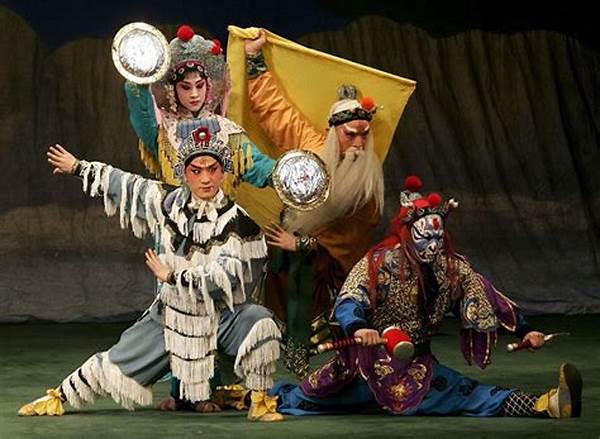
 0
0
 0
0
In the vibrant and bustling city of Beijing, one tradition stands as a proud testament to China’s rich cultural heritage: the enchanting melodies and rhythms of the Beijing Opera. Here, a world of color, emotion, and storytelling unfolds on stage, capturing the hearts of audiences with its unique blend of singing, acting, and acrobatics. But what truly sets this art form apart, drawing in both locals and tourists alike, are the traditional Chinese musical instruments that breathe life into every performance. These cherished instruments are not just tools of trade for musicians but are intrinsic to the soul of the Beijing Opera.
Read More : Indonesia Traditional Music Instrument Gong Ageng Booming In Sacred Rituals
For centuries, these instruments have played a crucial role in maintaining the operatic traditions of China. From the soul-stirring notes of the erhu to the resonant thrum of the guzheng, each instrument contributes a distinct voice to the operatic ensemble, painting an aural tapestry that complements the opulent visuals on stage. As Beijing Opera continues to captivate audiences worldwide, it’s these instruments that remain the unsung heroes, tirelessly supporting performers in narrating the profound tales of love, bravery, and betrayal.
The Role of Instruments in Beijing Opera
Traditional Chinese musical instruments are the backbone of Beijing Opera, providing the melodic and rhythmic foundation that guides the narrative flow. Unlike western operatic traditions that primarily rely on vocal prowess, Beijing Opera places equal importance on the instrumental ensemble. The erhu, a two-stringed fiddle, adds a layer of lyrical expression that resonates with the emotional highs and lows of the opera’s storyline. Its soulful sound can evoke a spectrum of emotions, from joy to sorrow, that amplifies the actors’ performances.
Alongside the erhu, the pipa, a four-stringed lute, offers intricate melodies and dynamic rhythms. Its versatility allows musicians to convey bellicose scenes or serene reflections seamlessly, enhancing the drama unfolding on the stage. Similarly, the suona, a double-reeded horn, lends a bright, bold tone that often signals transitions or heightens tension during climactic scenes. Together, these instruments form a cohesive unit, each contributing to the Beijing Opera’s signature sound, distinguishing it from other forms of traditional performances.
Embracing the Unique: Instruments That Define a Genre
The integration of these traditional instruments into the Beijing Opera highlights an intriguing fusion of old and new, where ancient melodies meet contemporary narratives. Chinese traditional music instrument cherished in Beijing opera are more than relics of the past; they are dynamic elements that evolve with the genre. Recent trends have seen a growing interest in experimenting with these instruments, combining them with modern technology to appeal to younger audiences and international music lovers.
For example, incorporating digital enhancements or collaborating with other music genres such as electronic or jazz creates a novel auditory experience, showcasing the versatility and timeless appeal of these instruments. However, purists argue that such experimentation risks diluting the historical integrity of the music. It’s a delicate balance, one that Beijing Opera artisans continue to navigate as they preserve their traditions while attracting new fans.
Instruments and Their Symbolism
The instruments used in Beijing Opera are not only for auditory pleasure; they carry profound symbolic meanings that enrich the storytelling.
These instruments, steeped in history and meaning, serve as conduits for cultural expression, making each performance a deeply immersive experience for the audiences.
Read More : Name A Musical Instrument Representing Peace And Cultural Harmony
Challenges in Preserving Instrumental Heritage
Despite their significance, the traditional musical instruments of Beijing Opera face challenges in preservation. Modernization and globalization have ushered in a preference for contemporary music forms among the younger generation, leading to a decline in traditional instrument craftsmanship and learning. Organizations dedicated to the preservation of Beijing Opera are now engaging in educational initiatives, workshops, and cultural exchanges to reignite interest in these instruments.
Efforts are being made to document the art of instrument-making, capturing the intricate techniques passed down through generations. Additionally, collaborations with schools and cultural institutions have been instrumental in preserving these traditions, ensuring that the legacy of Chinese traditional music instrument cherished in Beijing opera continues to inspire future generations.
The Profound Impact of Traditional Instruments
In conclusion, the traditional musical instruments cherished in Beijing Opera are indispensable to the art form’s enchantment and allure. They hold profound cultural significance, enriching the narratives of timeless stories while transporting audiences to a realm where music and drama intertwine harmoniously. The emotional pull of an erhu note, the rapid plucking of the pipa, and the piercing call of the suona are all vital threads in the operatic tapestry.
As Beijing Opera continues to thrive in both domestic and international arenas, these instruments ensure that the art form retains its authenticity and emotional depth. The tireless efforts of cultural preservationists and educators keep the tradition alive, adapting ancient artistry to fit the modern stage without compromising its heritage. The cherished musical instruments of Beijing Opera are not only relics of history; they embody China’s living culture, resonating through time and space.


