 By Gabriel Powell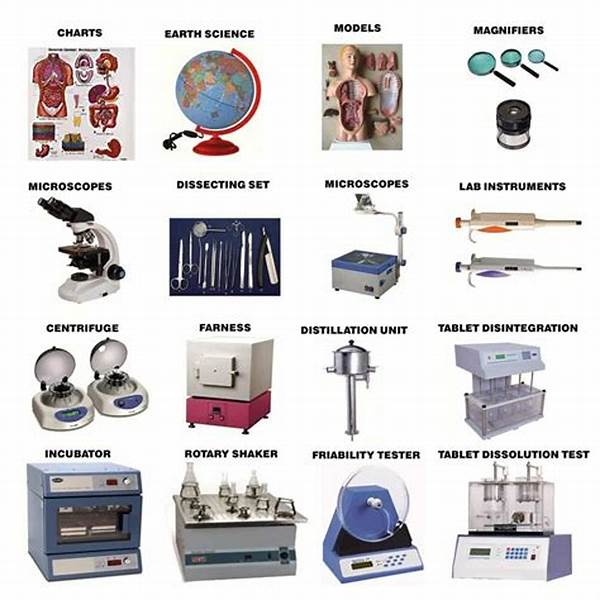
 0
0
 0
0
In the fascinating realm of chemistry, the lab is akin to a wizard’s workshop. The grand concoction of compounds, the sizzle of mixing reagents, the surreal dance of chemical reactions—each orchestrated to uncover the universe’s hidden truths. This scientific wonderland is catalyzed by the powerful, sophisticated, and sometimes whimsical, types of scientific instruments used in chemistry labs. These tools serve as the backbone of experimental science, enabling chemists to investigate matter’s mysteries, measure molecular nuances, and pioneer discoveries that propel society forward. Behind each striking conclusion, every peer-reviewed paper, and numerous Nobel Prize-winning revelations, there lies an assemblage of imaginative gadgets that fuel the heart of a chemistry lab.
Read More : Name A Musical Instrument Invented By Accident Yet World-famous
The allure of chemistry extends beyond textbooks; it is rooted in the tactile engagement with instruments that personify the dynamic blend of art and science. Within these lab confines, precision meets curiosity, and hypotheses are explored through empirical examination. Each type of scientific instrument brings its own unique capability to the table, transforming abstract questions into tangible answers. Whether it’s measuring the pH of a solution, quantifying the exact concentration of a given compound, or observing changes at a molecular level, these instruments make the intangible, tangible. They offer chemists the unique selling point of turning mere curiosity into concrete data—a process vital for the advancement of technology, medicine, and our understanding of the natural world.
A Kaleidoscope of Tools
Within a chemistry lab, you might encounter an assemblage of tools beyond the imagination of the curious mind. From the simple Balances that precisely measure mass to the sophisticated Gas Chromatographs used for separating and analyzing compounds, the types of scientific instruments used in chemistry labs possess an awe-inspiring range. Each instrument meticulously addresses a facet of scientific inquiry, turning complex chemical conundrums into manageable pieces of information. Thus, while some may argue chemistry is all about powders and potions, the real magic is wielded by the tools that line the bench tops and fill the cupboards of every laboratory.
The Masterful Minstrels of Measurement
When it comes to the types of scientific instruments used in chemistry labs, each device has its own story to tell, its own music to play. Consider the Spectrophotometer, an instrument that measures how much a chemical substance absorbs light by measuring the intensity of light at different wavelengths. This melodious device not only quantifies concentration but also tells a colorful tale of the chemical’s behavior in light’s embrace. Now, let’s venture into an instrument that’s a cinch to fall for—the Magnetic Stirrer. This device ensures solutions are mixed thoroughly, maintaining homogeneity that is crucial for accuracy. Meanwhile, the mighty Bunsen Burner provides the firepower for heating, sterilization, and combustion—all necessary tasks executed with the flair and showmanship of a circus performer juggling flaming torches.
The Chemical Maestro
Behind the Glassware
The narrative grandeur of chemistry is further propelled by the expansive collection of glassware, each piece possessing a unique function. Beakers, flasks, pipettes, and burettes aren’t just glass creations, but key players in the saga of scientific revelation. They hold, measure, and mix chemicals, serving as silent witnesses to countless scientific triumphs. The Erlenmeyer Flask, with its conical body and narrow neck, allows for vigorous mixing without spillage, a critical companion for titration processes. Their clear disposition offers a pure look at reaction progress, transforming bubbling concoctions into revelations of empirical evidence.
In the adventure of chemistry, these instruments act as both torchbearers and silent partners. They facilitate experiments and bring clarity through data, thereby turning theoretical knowledge into practical wisdom. Whether it’s glassware cradling a reaction or advanced machines unraveling the secrets of quantum materials, each tool plays an indispensable role in the fantastic chemico-narrative. Just like Sherlock needs his Watson, every chemist relies on this array of equipment to navigate the thrilling labyrinth of discovery.
Read More : Affordable Musical Instruments For Small Spaces
Conclusion
From the dancers of light that are Spectrophotometers to the fiery thrill of Bunsen burners, the myriad types of scientific instruments used in chemistry labs ignite curiosity and drive discovery. They are key enablers of progress, opening a portal to new questions and new answers, a true testament to humanity’s relentless pursuit of knowledge. The stage of the chemistry lab is set for those curious enough to explore its depths, offering not just answers, but the thrill of the chase that comes with every new discovery.
Now let’s explore some practical actions you could take to familiarize yourself with these instruments:
Exploration and curiosity form the backbone of every scientific journey, and when teamed with these remarkable tools, the possibilities are boundless. Dive into the story of chemistry, uncover the wonder that fills its characters, and let the types of scientific instruments used in chemistry labs guide you through your next scientific escapade.


